12 MIN READ
Thumb Pain From Phone Use
Thumb Pain From Phone Use - Causes and Treatment in 2026
AUTHOR
Dennis Lacalle, DPT
Exploring mitochondrial density as the ultimate ceiling for professional endurance performance and recovery efficiency.
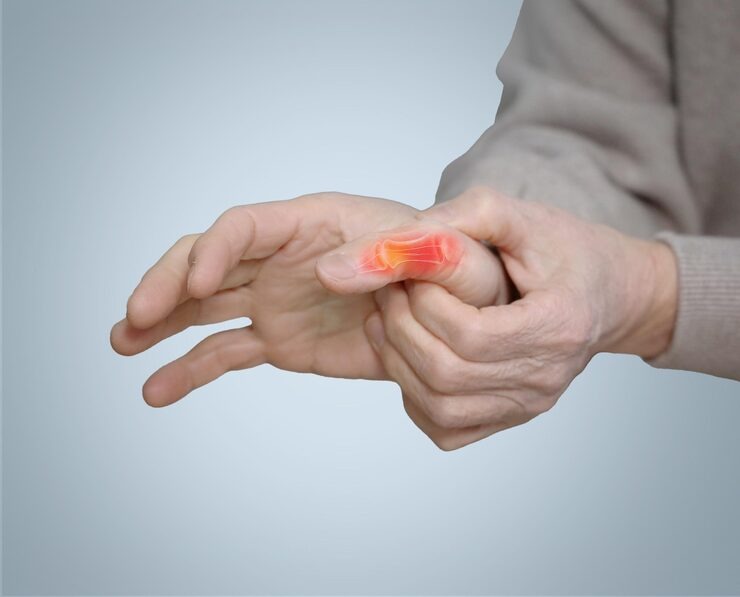
Smartphones have become integral to our daily activities such as texting, work, shopping, browsing, and appointment management. However, all this time spent tapping and scrolling may put additional pressure on the thumb and wrist. When your thumb becomes painful after using your phone, it may be due to an overuse or repetitive strain issue and not because “it’s just supposed to hurt.” Repetitive motions using a smartphone may lead to irritation of the thumb tendons and exacerbation of pre-existing joint issues.
Those suffering from chronic pain should seek out for their Thumb pain treatment that addresses the source of pain, reduces strain, and allows for the gradual restoration of function.
Why Does Phone Use Cause Thumb Pain?
Your thumb does hundreds or thousands of little motions every single day. Using your thumb to swipe, type, press tiny buttons, and hold onto your cell phone can result in strain being placed on the muscles, tendons, and joints of your thumb.
This repetitive strain, after a period of time, might lead to irritation or inflammation in the region. De Quervain’s tenosynovitis is an example of a condition linked to repetitive strain in your thumb or wrist that causes pain on the thumb side of your wrist, worsened by gripping or motion of the thumb.
There are also other possibilities such as:
- Repetitive strain from use of your cell phone for long periods of time
- Inflammation of your tendons
- Thumb arthritis
- Trigger thumb
- Old injuries in your thumb or wrist
- Poor posture of your hands when using a device
- Using too much grip on your heavy phone
This is why constant pain in your thumb should not necessarily mean smartphone usage is the cause. This will depend on what you have.
Common Signs of Smartphone-Related Thumb Pain
The signs might be different from one individual to another. They include:
- Pain and soreness after scrolling and texting for long hours
- Pain when holding your smartphone
- Soreness at the base of the thumb
- Pain and soreness after being inactive
- Pain during pinching and opening of objects
- Pain and soreness around the thumb and wrist
- Clicking and catching of the thumb joint
- Weakness in gripping and pinching
Arthritis of the thumb might result in pain, weakness, swelling, and stiffness when pinching or gripping.
In case the above signs persist even after reduced phone use, progressively get worse, or affect your daily activities, it is advisable to seek professional help.
What Can You Do at Home?
Reducing the frequency of your aggravating activity is typically the initial step. This does not imply stopping using your phone altogether. Sometimes making a few small adjustments is enough to produce a considerable difference.
1. Rest
Avoid staying with your device for too long at once. Take frequent pauses during the day to give your hands time to recover.
2. Use Both Hands
Use both hands rather than keep using your phone only in one hand with the same thumb. You can try following this advice along with changing the position and taking breaks from device use, according to Cleveland Clinic.
3. Change the Way You Grip Your Phone
Loosen the tight grip of your phone. A phone grip or holder might come in handy.
4. Hold It Higher
It can be helpful to hold your phone closer to eye level to prevent slouching forward while using it.
5. Gently Move
Gentle exercises may help you regain hand function after an episode of discomfort passes. However, any exercise should be performed without causing a painful sensation. A specialist will suggest the right movements for you personally.
When Can Pain Relief Therapy Help?
However, if changes to behavior and allowing your hand to rest are insufficient to provide enough relief, seeking professional help may be a good idea. It is possible to tailor your pain relief therapy specifically to your particular case depending on its cause rather than apply a generic solution.
Therapeutic exercises, mobilization procedures, soft tissue manipulation, education regarding movement and repetitive strain injury prevention are among the treatments that may be utilized. However, the ultimate goal of such treatment is not only to alleviate the pain in your thumb but to make sure that using your hand becomes more comfortable and less likely to cause additional injuries.
Seeking professional help will be particularly important in case of persistent, worsening, or hand and wrist swelling pain, as well as any signs of weakness or inability to move one’s hand.
A Real-World Insight: The “Just One More Scroll” Problem
When it comes to pain related to smartphones, the tendency to experience it is that most people fail to recognize the pain during use. They feel it only after they have stopped.
Take the case of a person who devotes a couple of hours every day to answering messages and scrolling with the help of his thumb. In the beginning, he may experience slight tiredness in his thumb. However, after a few days, he feels pain when he grips his coffee cup or a jar. Rather than change the habit, the individual stops using his thumb for a few minutes.
Pain is a good indicator of any kind of trouble. When something causes pain every time you perform it, you would be better off stopping the movement.
How Professional Treatment Can Support Recovery
When visiting Full Spectrum Therapy, one could pay attention to analyzing the influence of your symptoms on your daily activities. Therapy must start with a proper assessment and therapy plan based on your needs, symptoms, and goals.
Instead of assuming that all cases of thumb pain occur for the same reason, a professional approach would involve taking into account such things as:
- Where you feel pain
- The actions triggering your symptoms
- The duration of your symptoms
- Your everyday use of phones and computers
- Hand mechanics and grip
- History of injuries
- Functioning and ability to do usual things
Tips to Prevent Thumb Pain From Phone Use
- Some steps that you can take to minimize stress include:
- Change hands while using the phone.
- Utilize voice-to-text where possible.
- Take lots of short breaks.
- Try not to squeeze the phone tightly.
- Use both hands for long periods of time.
- Think about using a phone stand when watching your screen for long stretches of time.
- If something you do consistently gives you pain, stop doing it.
- Ease back into normal activities slowly, rather than abruptly increasing phone usage.
Final Thoughts
Thumb pain related to the use of your phone may easily be overlooked since it starts off with a minor discomfort. However, recurrent discomfort could be an indicator that your hand is subjected to excessive repetitive stress that your body is unable to cope with. Making some modifications to your behavior regarding phone use will go a long way.
If you are experiencing any thumb or hand pain that is interfering with your daily activities, Full Spectrum Therapy is here to provide you with guidance for suitable professional assistance based on your symptoms. The best way to address the issue is to understand it first.
Frequently Asked Questions
Is the thumb pain from using my phone serious?
Not all cases are serious but constant pain should not be taken lightly. Constant use of a smartphone can cause tendon inflammation and other conditions of the hand.
How much should I rest my thumb?
The duration of the recommended rest period is contingent upon the reason for and severity of the symptoms. Avoiding the movement which causes pain is usually a good idea while an expert will tell you when you can start moving again.
Do I have to stop using my phone altogether?
Generally, the solution would be to change your phone usage habits rather than completely abstain from using it. Bilateral use of the phone, pauses during use, dictation, changes in the way you hold it can lessen the load on your joints.
When do I need professional help?
Consult with a professional if you experience pain that persists, recurs, worsens, prevents you from doing regular tasks, or accompanies swelling, numbness, tingling, weakness, or difficulty moving your hand.
Full Spectrum Therapy
Expert physical therapy in Folsom, CA. From deep tissue laser to in-home senior care — we restore movement, reduce pain, and help you live life fully.
QUICK LINKS
CONTACT
9580 Oak Ave Pkwy
Folsom, CA 95630
HOURS
Mon – Fri: 8:00am – 6:00pm
Saturday: 9:00am – 2:00pm
Sunday: Closed
FIND US
© 2026 FULL SPECTRUM THERAPIES. ALL RIGHTS RESERVED.