08 MIN READ
Pain relief therapy
How Does Pain Relief Therapy Support Daily Movement?
AUTHOR
Dennis Lacalle, DPT
Exploring mitochondrial density as the ultimate ceiling for professional endurance performance and recovery efficiency.
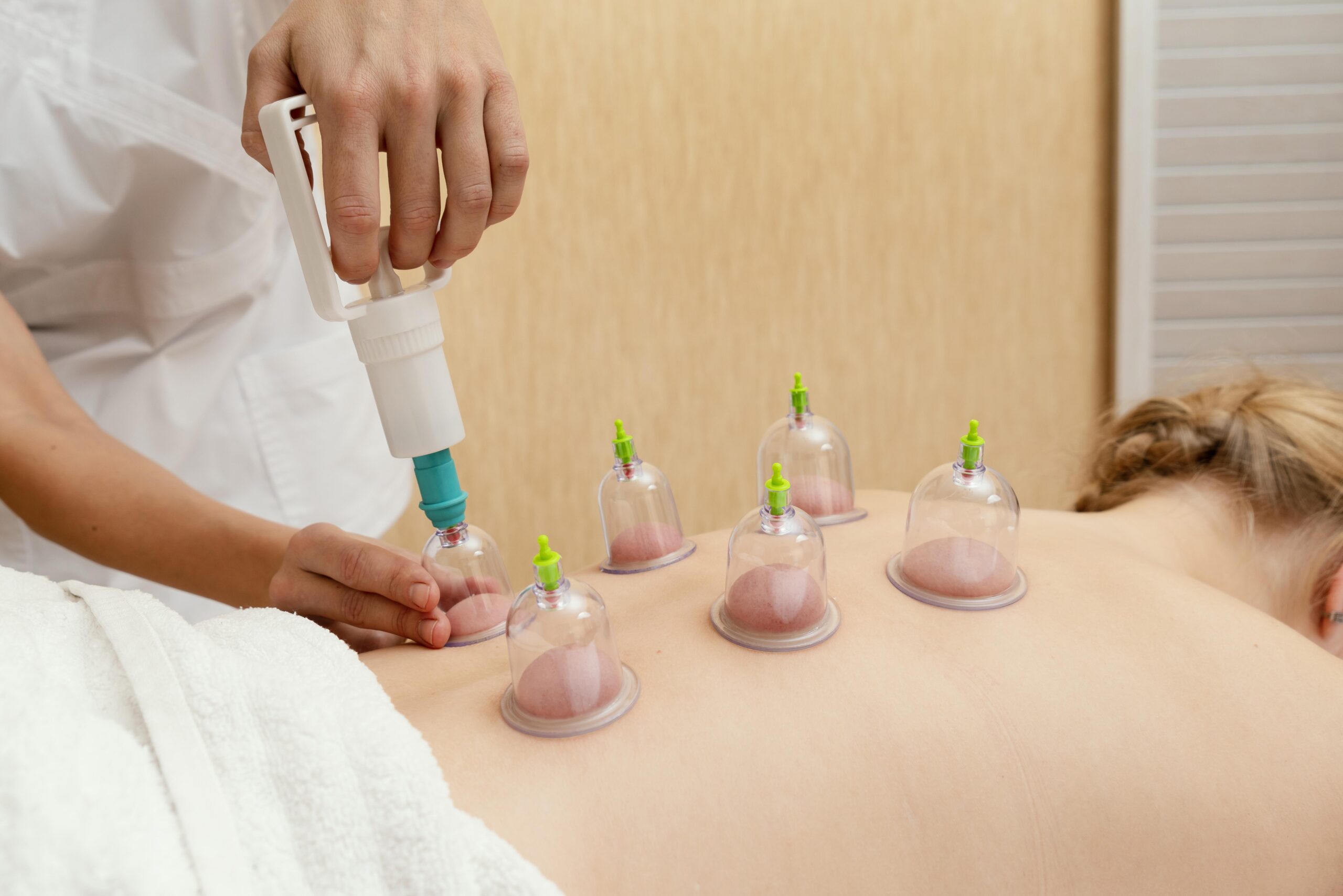
Pain relief therapy does more than calm an aching back or a stiff knee. It helps you get back to the small, ordinary things you probably stopped noticing until they started to hurt.
Think about tying your shoes, climbing stairs, or lifting a bag of groceries. When pain sits in the middle of those moments, life gets smaller. The right therapy can open it up again.
Why Pain Changes the Way You Move
Pain is a signal, but it also changes behavior. You start protecting the sore area without even thinking about it.
You might shorten your stride, avoid reaching overhead, or shift your weight to one side. It feels smart in the moment. Over time, though, those workarounds stress other joints and muscles, and new aches show up.
Stiffness follows. Muscles that go unused get weaker, and joints that don’t move through their full range tighten up. It’s a loop that’s hard to break alone.
How Pain Relief Therapy Breaks the Cycle
Good therapy works on two fronts at once. It eases the pain, and it helps your body move properly again.
Here’s what that usually involves:
- Calming irritated muscles and soft tissue
- Restoring motion in stiff joints
- Improving flexibility and posture
- Rebuilding strength where it has faded
- Teaching your body healthier movement habits
None of this happens overnight. But each piece makes the next one easier, and progress tends to build on itself.
Physical Therapy in Folsom: Hands-On Methods That Help
At FST Pain Relief, the approach is non-surgical and focused on active recovery. The idea is simple: find what is driving the pain, treat it, and help you move better afterward. Here are some of the methods that make that possible for people looking for physical therapy in Folsom.
Joint and Soft Tissue Mobilization
Gentle, skilled hands-on work can loosen tight tissue and help stuck joints glide more freely. For many people, this is where the first real change happens. A shoulder that wouldn’t lift suddenly does.
Assisted Stretching
Stretching on your own only goes so far, especially when you’re guarding a sore spot. Assisted stretching lets a therapist guide the movement safely, so muscles lengthen without you tensing against it.
Deep Tissue Laser Therapy
Laser therapy is used to ease pain and inflammation in muscles, tendons, and joints. It’s a comfortable option for people dealing with stubborn soreness who want to avoid medication or injections.
Strength, Balance, and Posture Work
Relief that lasts needs a stronger foundation. Core training, balance exercises, and posture coaching help your body hold up the progress you’ve made. They also lower the odds of the same injury coming back.
Everyday Moments That Get Easier
The real test of any therapy isn’t a chart. It’s how your day feels.
Many people notice changes in simple things like:
- Getting out of bed without that slow, stiff start
- Walking the dog without counting steps
- Bending down to pick something up
- Sitting through a long meeting or drive
- Playing with kids or grandkids
These are small wins. They’re also the ones that matter most.
Treating the Root Cause, Not Just the Symptom
A quick fix can mute pain for a few hours. It rarely explains why the pain showed up in the first place.
That’s why a good plan starts with understanding your body. Maybe your hips are tight and your lower back is paying for it. Maybe an old injury changed how you walk. When the cause gets addressed, the relief tends to stick around.
Corrective exercises are a big part of this. You learn what to do between visits, so you’re not just waiting for the next appointment to feel better.
Support for Seniors, Athletes, and Active Adults
Pain doesn’t look the same for everyone, so the plan shouldn’t either.
Seniors often need help with balance, strength, and fall prevention, so they can stay independent at home. Athletes want to recover from injuries and get back to training without setbacks. Active adults just want to keep doing what they love, whether that’s hiking, golf, or gardening.
A personalized program respects those differences. It starts where you are, not where a textbook says you should be.
Conclusion
Pain relief therapy supports daily movement by easing discomfort, restoring motion, and rebuilding the strength your body needs to move with confidence. It works best when it goes after the cause of the problem and not just the symptom.
If pain has been quietly shrinking your days, you don’t have to accept it as normal. A thoughtful, non-surgical plan can help you move more freely and get back to the activities that matter to you. Reach out to FST Pain Relief to talk through your goals and find out what’s possible.
Full Spectrum Therapy
Expert physical therapy in Folsom, CA. From deep tissue laser to in-home senior care — we restore movement, reduce pain, and help you live life fully.
QUICK LINKS
CONTACT
9580 Oak Ave Pkwy
Folsom, CA 95630
HOURS
Mon – Fri: 8:00am – 6:00pm
Saturday: 9:00am – 2:00pm
Sunday: Closed
FIND US
© 2026 FULL SPECTRUM THERAPIES. ALL RIGHTS RESERVED.