10 MIN READ
Cupping therapy
Cupping Therapy for Sports Injuries: What to Know
AUTHOR
Dennis Lacalle, DPT
Exploring mitochondrial density as the ultimate ceiling for professional endurance performance and recovery efficiency.
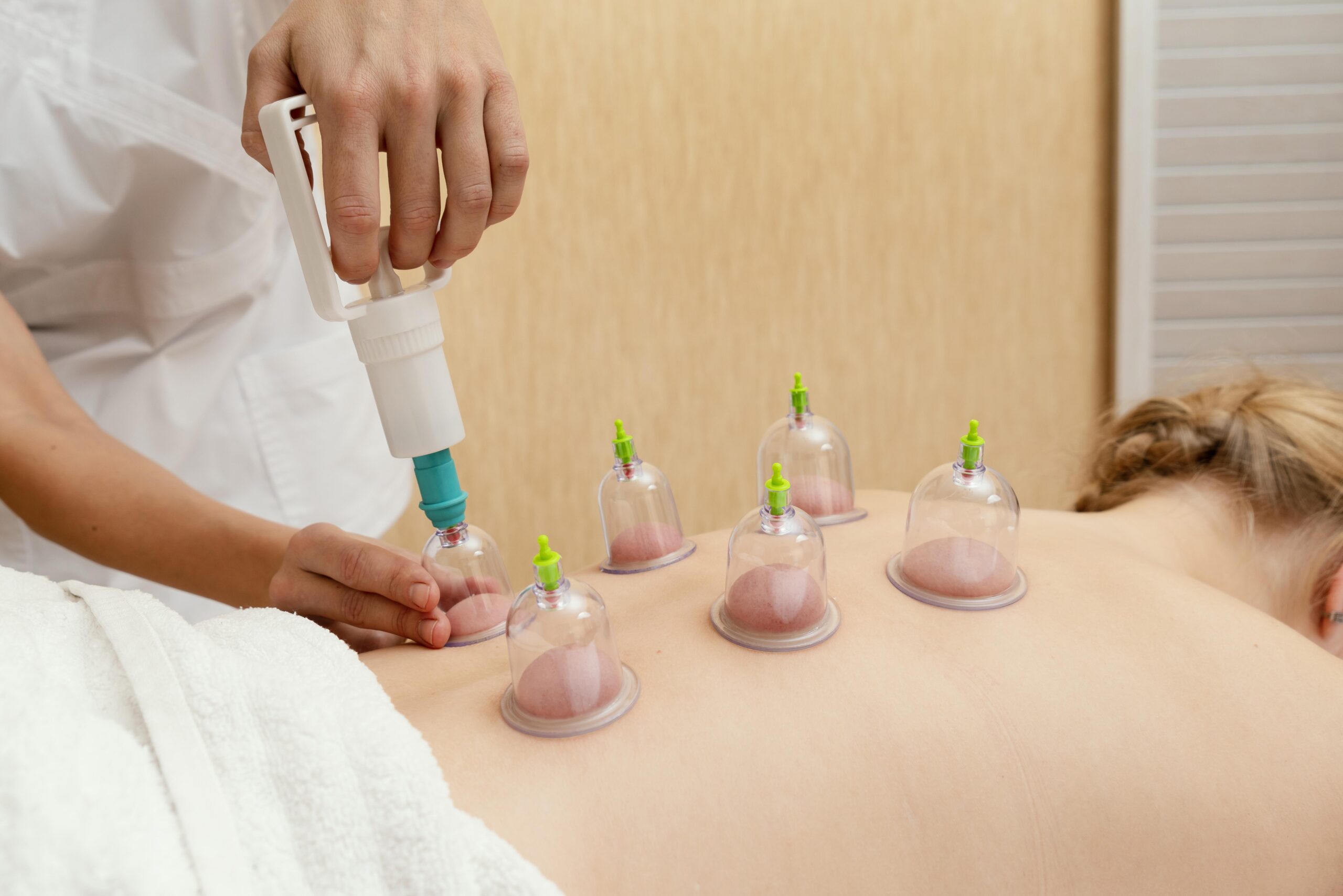
You finish a hard session feeling fine. Then two days later your calf feels like it’s been replaced with a block of wood, and no amount of stretching seems to touch it. That’s usually the point where people start asking about cupping therapy, often because a training partner mentioned it, or they saw those round marks on an athlete’s back during a match and got curious.
Cupping works by placing small cups on the skin and creating suction, either by warming the air inside or using a manual pump. Instead of pressing down into the muscle like a massage does, it pulls the skin and tissue upward, gently. People have used versions of this for a long time, but the reason it’s popular with athletes right now is simpler than any of that history, it’s about tightness that won’t budge, even after everything else has been tried.
Why Athletes Actually Ask About It
Nobody really walks in and says “I’d like cupping, please.” They walk in and say their hamstring feels short no matter how much they stretch it, or their shoulders have felt jammed since that block of overhead training, or their calves are still sore three days later for no obvious reason. Cupping comes up because of how it feels – that upward pull seems to get into places a regular massage sometimes can’t reach.
There’s a pattern to when people bring it up. Usually it’s tightness that hasn’t responded to the usual stuff. Soreness that’s sticking around longer than it should. A spot that just feels stuck, or overloaded, or like it never fully recovers between sessions.
Here’s the part worth sitting with, though: feeling tight isn’t the same thing as having a structural problem. Cupping might ease that tight feeling for some people. That’s different from saying it fixes whatever’s actually causing it. A decent therapist wants to know why that area keeps seizing up before they ever reach for the cups.
What Actually Happens in a Session
If you’ve never had it done, it’s less dramatic than people expect. The therapist will usually ask a few questions first – how the tightness started, what your training looked like, what makes it worse. This part matters more than people think. Cupping applied without any of that context is just guesswork.
Once the cups go on, most people describe an odd pulling sensation. Not painful, just unfamiliar. Some cups stay put; others get slid slowly across the skin. A session on one area might run five to fifteen minutes, depending on what’s being worked on and how you’re responding.
When the cups come off, the skin usually feels a little tender, similar to after a firm massage. A lot of therapists won’t stop there – they’ll move into other manual work, or some mobility and stretching, because cupping on its own tends to be one part of the session rather than the whole thing.
Can It Actually Help With an Injury?
Honestly – it depends what you’re dealing with.
Cupping can be considered alongside other work for managing tightness, restricted movement, or general tension around an area that’s bothering you. Some people find it useful during a return to training, or in the weeks after a minor strain, when it’s used together with other recovery work. What it won’t do is diagnose a torn muscle, a stress reaction, or a joint problem. And it doesn’t replace an actual assessment that figures out what’s driving the symptoms in the first place.
It’s a support tool, not a fix. The real work – proper loading, rehab, correcting whatever pattern caused the problem – happens elsewhere.
About Those Marks
The circular marks people associate with cupping come from the suction affecting small blood vessels close to the skin’s surface. Some people barely mark at all. Others end up with something more visible that takes a few days to fade. Neither outcome means the treatment “worked better” or pulled something harmful out of the body – it’s just a normal response to suction, not something to chase or expect.
When Cupping Isn't the Right First Move
There are times when skipping straight to cupping doesn’t make sense. Sharp pain. Swelling that’s getting worse instead of settling. Numbness. Symptoms that have hung around for weeks no matter how much rest you’ve had. Any of that is a sign to get properly assessed, not soft-tissue work first. Cupping isn’t designed to pick up structural damage, and treating it like a first response to something serious can end up delaying the diagnosis you actually need.
If something feels genuinely wrong – not just tight, not just tired – get it looked at before deciding whether cupping even belongs in the picture.
It Works Better as Part of Something Bigger
In practice, cupping tends to earn its keep when it’s one piece of a larger plan, not the plan itself. A therapist might pair it with a movement assessment to understand why an area keeps acting up, some hands-on manual therapy, strengthening work, mobility exercises, or changes to how you’re loading your training. At a clinic offering sports therapy, cupping can be brought into that kind of broader assessment when it fits – not handed out as a default option. For someone whose tightness keeps returning after training, a therapist might look first at how you’re actually moving before deciding whether cupping has a place in the plan at all.
That order matters more than people assume. Cupping without any context is just a sensation. Cupping inside a proper plan is where it tends to actually help.
The Bottom Line
By now, you might be clear that cupping isn’t a cure, and it’s not a diagnosis either. For some people, it’s a useful tool for managing tightness and supporting recovery, especially when it’s paired with a proper assessment rather than used on its own. If you’re dealing with general soreness or a stubborn tight spot, it’s probably worth asking about. If something feels sharper, or it’s swelling, or it just isn’t settling the way normal soreness does, get that checked first. The cups can wait.
Full Spectrum Therapy
Expert physical therapy in Folsom, CA. From deep tissue laser to in-home senior care — we restore movement, reduce pain, and help you live life fully.
QUICK LINKS
CONTACT
9580 Oak Ave Pkwy
Folsom, CA 95630
HOURS
Mon – Fri: 8:00am – 6:00pm
Saturday: 9:00am – 2:00pm
Sunday: Closed
FIND US
© 2026 FULL SPECTRUM THERAPIES. ALL RIGHTS RESERVED.