12 MIN READ
Knee osteoarthritis treatment
Knee Osteoarthritis – Causes, Symptoms, Diagnosis? & Non-Surgical Treatment
AUTHOR
Dennis Lacalle, DPT
Exploring mitochondrial density as the ultimate ceiling for professional endurance performance and recovery efficiency.
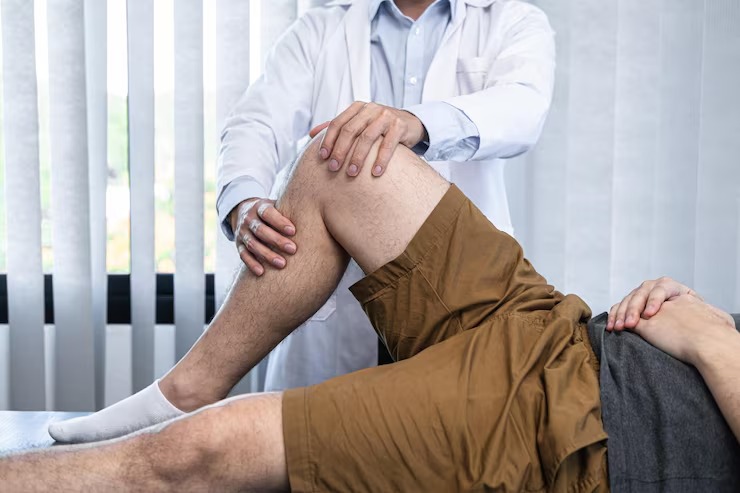
Knee osteoarthritis is one of the most common joint conditions affecting millions of people worldwide. It develops gradually as the protective cartilage in the knee wears down over time, leading to pain, stiffness, and reduced mobility. While it is often associated with aging, knee osteoarthritis can also affect younger individuals due to injuries, obesity, repetitive stress, or genetic factors.
The good news is that many people can successfully manage knee osteoarthritis without surgery. Early diagnosis, lifestyle modifications, physical therapy, and advanced non-surgical treatments can significantly reduce pain and improve quality of life.
In this guide, we’ll explore the causes, symptoms, diagnosis, and effective non-surgical treatment options for knee osteoarthritis.
What is Knee Osteoarthritis?
Knee osteoarthritis is a degenerative joint disease where the cartilage that cushions the bones inside the knee gradually breaks down. As cartilage wears away, bones begin rubbing against each other, causing inflammation, swelling, pain, and limited movement.
The knee is one of the body’s most weight-bearing joints, making it particularly vulnerable to wear and tear over time. Osteoarthritis usually develops slowly and worsens if left untreated.
Common Causes of Knee Osteoarthritis
Several factors contribute to the development of knee osteoarthritis.
1. Aging
As we age, cartilage naturally loses its ability to repair itself. This makes older adults more susceptible to joint degeneration.
2. Excess Body Weight
Extra weight places tremendous stress on the knee joints. Every additional pound of body weight can add several pounds of pressure to the knees while walking.
Obesity also increases inflammation throughout the body, accelerating cartilage breakdown.
3. Previous Knee Injuries
Sports injuries, fractures, ligament tears, or meniscus injuries increase the risk of developing osteoarthritis later in life.
Even injuries that occurred years earlier can eventually lead to joint degeneration.
4. Repetitive Joint Stress
Jobs or activities requiring frequent kneeling, squatting, climbing stairs, or heavy lifting can accelerate cartilage wear.
Athletes involved in high-impact sports are also at greater risk.
5. Genetics
Some individuals inherit genes that make cartilage weaker or more prone to degeneration.
Family history plays an important role in osteoarthritis risk.
6. Joint Misalignment
Knock knees or bow legs can place uneven pressure on the knee joint, leading to faster cartilage damage.
Symptoms of Knee Osteoarthritis
Symptoms often develop gradually and worsen over time.
Common symptoms include:
Persistent Knee Pain
Pain usually worsens after walking, standing for long periods, climbing stairs, or exercising.
Morning Stiffness
Many patients experience stiffness after waking up or after sitting for extended periods.
The stiffness generally improves with gentle movement.
Swelling
Inflammation inside the knee can cause noticeable swelling and tenderness.
Reduced Range of Motion
Bending or straightening the knee becomes increasingly difficult.
Simple activities like getting out of a chair may become painful.
Grinding or Clicking Sensation
As cartilage wears away, many people notice grinding, popping, or cracking sounds during movement.
Weakness
Pain often leads to reduced activity, causing surrounding muscles to weaken and making the knee feel unstable.
Stages of Knee Osteoarthritis
Healthcare providers often classify knee osteoarthritis into different stages.
Stage 1 – Minor Wear
- Very little cartilage damage
- Mild discomfort
- Usually no major symptoms
Stage 2 – Mild Osteoarthritis
- Small bone spurs develop
- Occasional pain
- Mild stiffness
Stage 3 – Moderate Osteoarthritis
- Significant cartilage loss
- Increased pain during walking
- Swelling becomes common
- Daily activities become difficult
Stage 4 – Severe Osteoarthritis
- Extensive cartilage damage
- Bone-on-bone contact
- Constant pain
- Severe mobility limitations
How Knee Osteoarthritis is Diagnosed
Early diagnosis allows treatment before severe joint damage occurs.
Healthcare providers typically use several methods.
Medical History
Your doctor will ask about:
- Pain location
- Duration
- Previous injuries
- Family history
- Daily activity limitations
Physical Examination
The knee is examined for:
- Swelling
- Tenderness
- Range of motion
- Joint stability
- Walking pattern
Imaging Tests
X-rays
X-rays can reveal:
- Joint space narrowing
- Bone spurs
- Bone changes
They are usually the first imaging test ordered.
MRI
MRI scans provide detailed images of:
- Cartilage
- Ligaments
- Meniscus
- Soft tissues
MRI is especially useful when symptoms are severe but X-rays appear normal.
Blood Tests
Although there is no blood test for osteoarthritis, laboratory testing helps rule out:
- Rheumatoid arthritis
- Gout
- Infection
Non-Surgical Treatment for Knee Osteoarthritis
Most patients with knee osteoarthritis can achieve excellent symptom relief without surgery.
1. Physical Therapy
Physical therapy is one of the most effective treatments.
A customized exercise program helps:
- Strengthen leg muscles
- Improve flexibility
- Increase stability
- Reduce pain
- Restore movement
Stronger muscles and Joint Mobilization reduce stress on the knee joint.
2. Weight Management
Even modest weight loss can significantly reduce knee pain.
Research shows losing just 5–10% of body weight can improve joint function and decrease inflammation.
3. Activity Modification
Avoiding activities that overload the knee helps prevent further cartilage damage.
Low-impact exercises include:
- Swimming
- Cycling
- Walking
- Water aerobics
- Elliptical training
4. Pain Medications
Doctors may recommend:
- Acetaminophen
- NSAIDs
- Topical anti-inflammatory creams
These medications help manage symptoms but do not reverse cartilage damage.
5. Knee Braces
Supportive braces help:
- Improve alignment
- Reduce pressure
- Increase stability
- Improve confidence while walking
6. Assistive Devices
Canes or walking sticks reduce weight placed on painful knees.
Proper use can greatly improve mobility.
7. Laser Therapy
Modern laser therapy has become an increasingly popular non-invasive option for managing knee osteoarthritis.
Laser therapy may help:
- Reduce inflammation
- Improve blood circulation
- Promote tissue healing
- Decrease pain
- Improve joint mobility
Because it is non-invasive, laser therapy often requires little to no recovery time and can be combined with physical therapy for better outcomes.
8. Lifestyle Changes
Healthy habits can slow disease progression.
Recommendations include:
- Regular exercise
- Healthy diet
- Adequate hydration
- Smoking cessation
- Maintaining proper posture
- Wearing supportive footwear
Can Knee Osteoarthritis Be Prevented?
Although aging cannot be prevented, several strategies reduce the risk of developing knee osteoarthritis.
These include:
- Maintaining a healthy weight
- Staying physically active
- Strengthening leg muscles
- Avoiding repetitive joint strain
- Wearing proper athletic footwear
- Treating knee injuries promptly
- Using correct lifting techniques
When Should You See a Doctor?
Seek medical evaluation if you experience:
- Persistent knee pain lasting several weeks
- Swelling that does not improve
- Difficulty walking
- Joint locking
- Severe stiffness
- Pain interfering with daily activities
- Knee instability
Early treatment often leads to better long-term outcomes and may delay or prevent the need for surgery.
Living Well with Knee Osteoarthritis
Receiving a diagnosis of knee osteoarthritis does not mean you must stop enjoying an active lifestyle. With proper management, many individuals continue walking, traveling, exercising, and participating in their favorite activities.
A comprehensive treatment plan that combines exercise, weight management, physical therapy, pain management, and advanced non-surgical therapies can effectively control symptoms and improve joint function. Staying consistent with treatment and making healthy lifestyle choices are key to preserving mobility and reducing discomfort over time.
Conclusion
Knee osteoarthritis is a progressive condition, but it does not always require surgery. Early diagnosis and timely non-surgical treatment can significantly reduce pain, improve mobility, and help you maintain an active lifestyle. Whether through physical therapy, weight management, supportive devices, or advanced options like laser therapy, there are many effective ways to manage symptoms and protect your knee health.
If you’re looking for advanced, non-surgical pain management solutions for knee osteoarthritis, visit Full Spectrum Therapy to learn more about innovative treatment options that can help you move comfortably and improve your quality of life.
Full Spectrum Therapy
Expert physical therapy in Folsom, CA. From deep tissue laser to in-home senior care — we restore movement, reduce pain, and help you live life fully.
QUICK LINKS
CONTACT
9580 Oak Ave Pkwy
Folsom, CA 95630
HOURS
Mon – Fri: 8:00am – 6:00pm
Saturday: 9:00am – 2:00pm
Sunday: Closed
FIND US
© 2026 FULL SPECTRUM THERAPIES. ALL RIGHTS RESERVED.