Laser Therapy
12 MIN READ
Laser Therapy for Chronic Neuropathic Pain and: Sports Injury Recovery
AUTHOR
Dennis Lacalle, DPT
Exploring mitochondrial density as the ultimate ceiling for professional endurance performance and recovery efficiency.
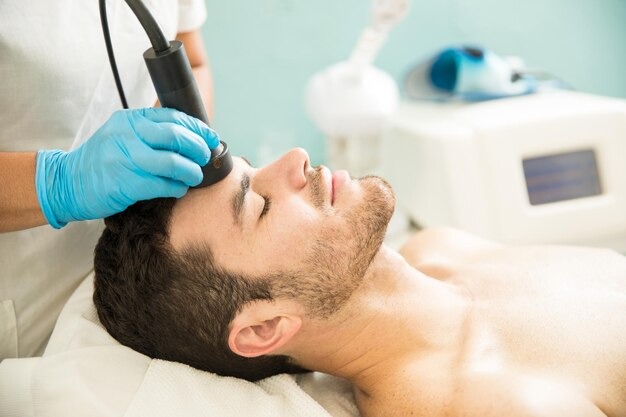
Living with chronic pain, or coming back from a sports injury, can really mess with your everyday routine, your movement, and just your general sense of well-being. If you are an athlete trying to return to peak performance, or if you’re dealing with stubborn nerve pain that won’t quit, then finding a solid non-invasive option is usually top priority. Laser Therapy has turned into a pretty current rehab method that aims to lessen pain, speed up the healing of tissue, and help your recovery progress, all without surgery or having to rely on long-term medication use.
Sometimes it’s also called low-level laser therapy (LLLT, or photobiomodulation. Laser Therapy works by using particular light wavelengths to nudge cellular repair, calm down inflammation, and encourage the body’s own healing responses. Studies indicate it may be helpful for neuropathic pain management, and for recovery after muscle and joint type injuries, especially when it’s used alongside a broader treatment plan.
What Is Laser Therapy?
Laser therapy is a type of treatment that does not require surgery and involves targeting healing tissues with concentrated beams of light. It is different from surgical lasers in that it does not damage tissue with heat, and instead promotes the work of the cells, enhancing healing and reducing inflammation at the same time.
This treatment is widely used by physical therapists, sports medicine doctors, chiropractors, and pain relief specialists.
How Laser Therapy Works
On the cellular level, Laser Therapy induces the synthesis of adenosine triphosphate (ATP), which is the key energy source of the cell. By increasing ATP production, the damaged tissues can perform their own healing faster
Here are some other useful effects of this therapy, including:
- The decrease in the inflammation around damaged tissues
- An improvement in blood circulation in the area of treatment
- Stimulation of normal collagen production
- Promotion of nerve regeneration
- Reduction of muscle cramps
- A decrease in pain perception
- Acceleration of the healing process in tissues
As laser therapy works throughout the body to stimulate its natural healing process, many patients experience gradual improvements in pain and movement after several sessions.
Understanding Chronic Neuropathic Pain
Neuropathic pain occurs when nerves become damaged or dysfunctional. Unlike pain caused by muscle strains or inflammation, neuropathic pain originates within the nervous system itself.
Common symptoms include:
- Burning sensations
- Sharp shooting pain
- Tingling
- Numbness
- Electric shock-like discomfort
- Increased sensitivity to touch
Conditions that may cause neuropathic pain include:
- Sciatica
- Peripheral neuropathy
- Diabetic neuropathy
- Post-surgical nerve pain
- Herniated discs
- Carpal tunnel syndrome
- Complex Regional Pain Syndrome (CRPS)
Neuropathic pain can persist long after the original injury has healed and often requires a multidisciplinary treatment approach.
How Laser Therapy Helps Neuropathic Pain
One of the primary goals of Laser Therapy is reducing inflammation surrounding irritated nerves while encouraging nerve tissue repair.
Potential benefits include:
Reduced Pain
Laser Therapy may decrease pain by reducing inflammatory chemicals and improving nerve function, helping patients experience less discomfort during daily activities.
Improved Nerve Healing
Research suggests photobiomodulation can promote regeneration of damaged nerve tissues, potentially improving nerve conduction over time.
Better Circulation
Enhanced blood flow supplies oxygen and nutrients necessary for healing while removing cellular waste products.
Decreased Reliance on Medication
Many patients seek Laser Therapy as part of a broader pain management strategy that may help reduce dependence on pain medications under medical supervision.
Laser Therapy for Sports Injury Recovery
Sports injuries often involve damaged muscles, tendons, ligaments, and joints. Fast, effective recovery is essential for returning safely to physical activity.
Laser Therapy is frequently used alongside rehabilitation exercises to support recovery from:
- Muscle strains
- Ligament sprains
- Tendonitis
- Tennis elbow
- Golfer’s elbow
- Rotator cuff injuries
- Achilles tendon injuries
- Knee injuries
- Plantar fasciitis
- Shin splints
Research indicates that photobiomodulation may reduce pain and support tissue repair in athletes, although outcomes vary depending on injury type and treatment protocol.
Benefits of Laser Therapy for Athletes
Faster Tissue Repair
Laser Therapy stimulates cellular activity that helps injured muscles and connective tissues recover more efficiently.
Reduced Inflammation
Inflammation is part of healing, but excessive inflammation can delay recovery. Laser Therapy helps regulate the inflammatory response.
Pain Relief
Many patients report decreased pain during rehabilitation, allowing more comfortable participation in physical therapy.
Improved Range of Motion
Reduced swelling and muscle tightness can improve flexibility and joint movement.
Enhanced Recovery Between Training Sessions
Some evidence suggests Laser Therapy may reduce post-exercise soreness and support recovery following intense physical activity.
Conditions Commonly Treated with Laser Therapy
Laser Therapy may be recommended for:
- Chronic neck pain
- Lower back pain
- Shoulder injuries
- Knee pain
- Arthritis
- Sciatica
- Tendinitis
- Plantar fasciitis
- Frozen shoulder
- Sports-related muscle injuries
- Neuropathic pain syndromes
- Joint inflammation
Treatment recommendations depend on the individual’s diagnosis and overall rehabilitation plan.
What to Expect During Treatment
A Laser Therapy session is typically simple and comfortable.
The process usually includes:
- Medical evaluation and diagnosis
- Identification of treatment areas
- Application of the laser device over the affected tissue
- Treatment lasting approximately 5–20 minutes depending on the condition
- Return to normal daily activities immediately afterward
Patients generally feel little or no discomfort during treatment. Some notice gradual improvement after several sessions, while chronic conditions may require longer treatment plans.
Is Laser Therapy Safe?
Laser Therapy is considered a safe, non-invasive treatment when administered by trained healthcare professionals.
Advantages include:
- No surgery
- No injections
- Drug-free pain management
- Minimal side effects
- No recovery downtime
- Painless procedure
However, it may not be appropriate for everyone. Treatment decisions should always be made after consultation with a qualified healthcare provider who can determine whether Laser Therapy is suitable for your condition.
Combining Laser Therapy with Rehabilitation
Laser Therapy often works best when integrated into a comprehensive rehabilitation program that may include:
- Physical therapy
- Strengthening exercises
- Stretching
- Manual therapy
- Activity modification
- Posture correction
- Functional movement training
This combined approach addresses both pain relief and long-term recovery while helping reduce the risk of re-injury.
Who May Benefit from Laser Therapy?
Laser Therapy may be suitable for:
- Athletes recovering from sports injuries
- Individuals with chronic neuropathic pain
- People experiencing repetitive strain injuries
- Older adults with joint pain
- Active individuals seeking non-invasive pain management
- Patients recovering from soft tissue injuries
An individualized assessment is essential to determine the most appropriate treatment plan.
Conclusion
Whether you’re managing chronic neuropathic pain or recovering from a sports-related injury, Laser Therapy offers a promising, non-invasive option that supports the body’s natural healing process. By helping reduce inflammation, relieve pain, improve circulation, and encourage tissue repair, it can play a valuable role in comprehensive rehabilitation. While results vary based on the condition and individual response, Laser Therapy is most effective when combined with professional assessment, targeted rehabilitation exercises, and an evidence-based treatment plan.
If you’re looking for Laser Therapy in Folsom, our team can develop a personalized treatment plan to support your recovery and help you return to your daily activities with greater comfort and confidence.
To learn more about advanced Laser Therapy options for pain management and injury recovery, visit Full Spectrum Therapy
Full Spectrum Therapy
Expert physical therapy in Folsom, CA. From deep tissue laser to in-home senior care — we restore movement, reduce pain, and help you live life fully.
QUICK LINKS
CONTACT
9580 Oak Ave Pkwy
Folsom, CA 95630
HOURS
Mon – Fri: 8:00am – 6:00pm
Saturday: 9:00am – 2:00pm
Sunday: Closed
FIND US
© 2026 FULL SPECTRUM THERAPIES. ALL RIGHTS RESERVED.