12 MIN READ
Osteoporosis: Prevention, Diagnosis
Osteoporosis: Prevention, Diagnosis, and Long-Term Bone Health
AUTHOR
Dennis Lacalle, DPT
Exploring mitochondrial density as the ultimate ceiling for professional endurance performance and recovery efficiency.
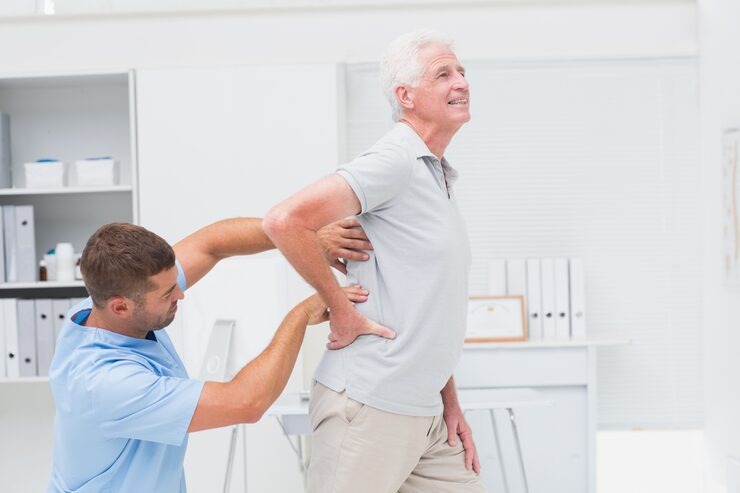
Osteoporosis means your bones lose density and become porous, weak, and more likely to break. It happens slowly, often without symptoms until a fracture happens. A fall that would leave most people bruised can break a hip or wrist if you have osteoporosis.
Some people find out they have it only after an X-ray for something unrelated shows a fracture in a bone they didn’t even know was hurt, like a compressed vertebra.
The Science Behind Bone Loss
Bone is living tissue. Your body constantly breaks down old bone and builds new bone to replace it. Up until your mid-20s to early 30s, you build more bone than you lose, so density increases. After that, the balance shifts. You start losing slightly more bone than you rebuild each year.
For women, this loss speeds up sharply after menopause. Estrogen protects bone density, and when estrogen drops, bone loss can hit 2% a year for the first several years after menopause. Men lose bone too, just more gradually, usually starting in their 60s or 70s.
Are You at Risk? Key Factors to Know
Some risk factors you can’t change:
- Being a woman, especially post-menopause
- Being over 50
- Small, thin body frame
- Family history of osteoporosis or hip fracture
- Being of Caucasian or Asian descent
- Early menopause (before age 45)
Some risk factors you can change:
- Low calcium and vitamin D intake
- Sedentary lifestyle
- Smoking
- Heavy alcohol use (more than 2 drinks a day)
- Long-term use of corticosteroids like prednisone
- Low body weight or a history of eating disorders
If you check several boxes on both lists, that’s worth a conversation with your doctor, even if nothing hurts yet.
Warning Signs Your Bones Are Trying to Send
Osteoporosis is often called a “silent disease” for a reason. Early on, there’s usually nothing to feel. As it progresses, you might notice:
- Back pain, sometimes from a fractured or collapsed vertebra
- Loss of height over time, an inch or more
- A stooped posture, sometimes called a “dowager’s hump”
A bone that breaks much more easily than expected, from a minor fall or even a cough or sneeze
If you’ve lost noticeable height or your clothes fit differently around the waist and shoulders than they used to, mention it to your doctor. Height loss is one of the most overlooked early signs.
How Doctors Confirm a Diagnosis
The main tool is a DEXA scan (dual-energy X-ray absorptiometry). It’s quick, painless, and uses a very low dose of radiation, less than a chest X-ray. It measures bone mineral density, usually at your hip and spine.
Your results come back as a T-score:
-1.0 and above is normal
-1.0 to -2.5 is osteopenia, lower than normal but not yet osteoporosis
-2.5 or lower is osteoporosis
Doctors generally recommend a first DEXA scan at age 65 for women, and earlier if you have risk factors like early menopause, long-term steroid use, or a parent with a hip fracture. Men usually get screened starting around 70, or earlier with risk factors.
Some doctors also use a tool called FRAX, which combines your bone density with age, weight, and other risk factors to estimate your 10-year fracture risk as a percentage.
Building Stronger Bones: What Actually Works
Calcium and Vitamin D: The Foundation
Adults need about 1,000 mg of calcium a day, rising to 1,200 mg for women over 50 and men over 70. Vitamin D helps your body absorb that calcium; most adults need 600-800 IU a day, though your doctor may recommend more if a blood test shows you’re low.
Food sources beat supplements when you can manage it: dairy, leafy greens like kale and bok choy, sardines with bones, fortified cereals and plant milks.
Move to Build: Weight-Bearing and Resistance Training
Bone responds to load. Walking, jogging, dancing, and stair climbing all count as weight-bearing exercise. Strength & Rehabilitation can also include resistance training with weights or bands, which adds more benefit by safely challenging the muscles and supporting stronger bones.
Aim for weight-bearing activity most days of the week and resistance work 2-3 times a week. Swimming and cycling are great for cardiovascular health, but they don’t load your bones the same way, so they shouldn’t be your only exercise if bone density is a concern.
Protecting Yourself: Balance and Fall Prevention
A big part of avoiding fractures isn’t building bone. It’s not falling in the first place. Remove loose rugs, add grab bars in the shower, keep walkways well lit, and get your vision checked regularly. A Senior Rehabilitation Program can also focus on balance, coordination, and safe movement to help older adults stay active and reduce the risk of falls.
Habits That Work Against Your Bones
Smoking interferes with the cells that build new bones. Heavy alcohol use does the same and also increases fall risk. Both are worth addressing regardless of your bone density numbers.
Treatment Options Once You’re Diagnosed
- Bisphosphonates (like alendronate or risedronate) are usually the first medication doctors reach for. They slow the rate bone breaks down.
- Denosumab is an injection given twice a year, often used when bisphosphonates aren’t tolerated well.
- Hormone-related therapies can help some postmenopausal women, though this is a personal decision weighed against other health factors.
- Anabolic medications like teriparatide actually build new bone rather than just slowing loss, usually reserved for more severe cases.
None of these replace the basics. Medication works best alongside calcium, vitamin D, and weight-bearing movement, not instead of them.
Red Flags That Need Immediate Attention
Call your doctor promptly if you notice sudden, severe back pain (it could mean a vertebral fracture), a fracture from a minor fall or bump, or a height loss of an inch or more that you can’t explain. These aren’t things to wait out.
Staying Active and Independent With Osteoporosis
A diagnosis isn’t a sentence to stay still. In fact, staying still is the worse option. Movement, done safely, is what keeps the disease from progressing faster. Physical therapy can teach you how to lift, bend, and move in ways that protect your spine while still keeping you strong and active..
Many people diagnosed with osteoporosis go on to hike, garden, and play with grandkids for decades, just with a bit more attention to form and fall prevention.
In Conclusion
At Full Spectrum Therapy, we see osteoporosis differently than a diagnosis to fear. It’s information you can act on. Strong bones come from consistent movement, not bed rest, and that’s where the right physical therapy program makes the difference.
We help you build strength safely, protect your joints, and keep doing the activities you love, without guesswork. If you’ve been diagnosed or think you might be at risk, let’s build a plan that keeps you moving forward, not sidelined.
Full Spectrum Therapy
Expert physical therapy in Folsom, CA. From deep tissue laser to in-home senior care — we restore movement, reduce pain, and help you live life fully.
QUICK LINKS
CONTACT
9580 Oak Ave Pkwy
Folsom, CA 95630
HOURS
Mon – Fri: 8:00am – 6:00pm
Saturday: 9:00am – 2:00pm
Sunday: Closed
FIND US
© 2026 FULL SPECTRUM THERAPIES. ALL RIGHTS RESERVED.