TMJ Disorder
12 MIN READ
Your Guide to Better Mobility, Joint Health, and Physical Wellness
AUTHOR
Dennis Lacalle, DPT
Exploring mitochondrial density as the ultimate ceiling for professional endurance performance and recovery efficiency.
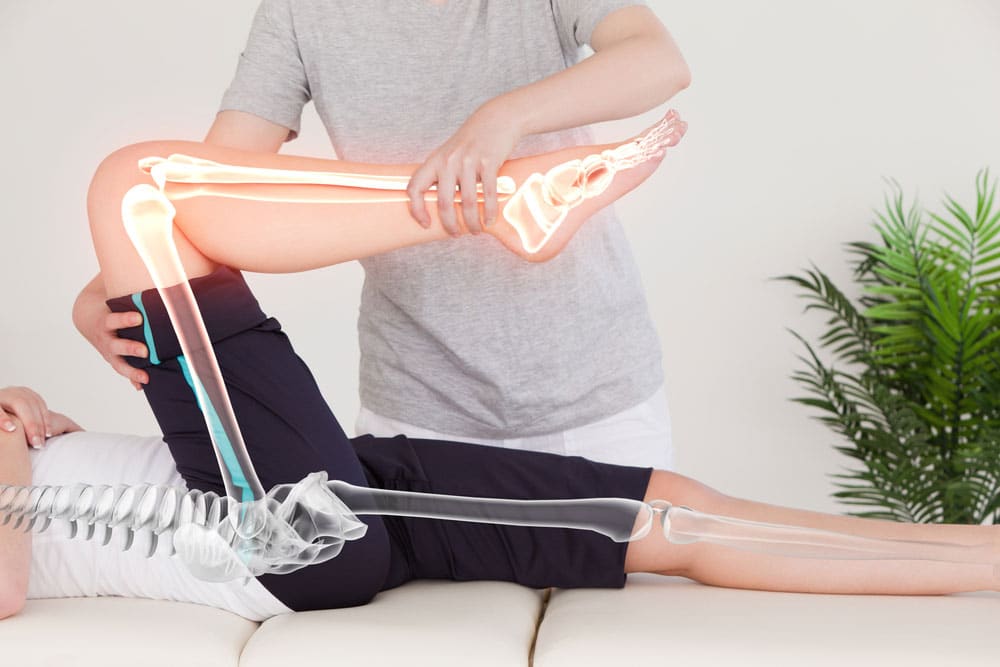
Mobility plays an important role in how we move, work, exercise, and enjoy everyday life. Simple activities such as walking up the stairs, getting out of a chair, carrying groceries, or reaching for something on a shelf depend on the body’s ability to move comfortably and maintain balance. When stiffness, muscle weakness, joint discomfort, or reduced flexibility begins to interfere with these activities, even familiar routines can become challenging.
The good news is that physical wellness does not depend on one exercise, treatment, or lifestyle change. It develops through a combination of regular movement, appropriate strength training, flexibility exercises, balanced nutrition, sufficient recovery, and professional guidance when needed. Depending on the underlying cause of discomfort, a healthcare professional may recommend rehabilitation exercises, manual techniques, or Pain relief therapy as part of an individualised treatment plan.
Whether you want to stay active as you age, improve your range of motion, recover from an injury, or simply feel more comfortable during everyday activities, understanding how mobility and joint health work together can help you make informed decisions about your well-being.
This guide explores practical ways to support mobility, maintain joint flexibility, build strength and balance, understand common therapy techniques, and remain physically active throughout life.
1. Mobility and Movement: Building a Foundation for Everyday Activity
Mobility refers to the ability to move your body and its joints through the ranges of motion needed for daily activities. It involves several interconnected factors, including joint movement, muscle flexibility, strength, coordination, and nervous system control.
For example, walking comfortably requires more than healthy knees. Your hips need to move through an appropriate range, your ankles must support each step, your muscles need to generate force, and your body must maintain balance as your weight shifts from one leg to the other.
When these elements work together, movement often feels smoother and more controlled.
How Can You Improve Mobility and Move More Comfortably Every Day?
Improving mobility usually starts with identifying which movements feel restricted and gradually building a consistent movement routine. You do not necessarily need an intensive workout or specialised equipment to get started.
Begin with activities that suit your current ability. Walking, gentle joint movements, controlled bodyweight exercises, and appropriate stretching can help you stay active. If sitting for long periods leaves your hips, back, or shoulders feeling stiff, take short movement breaks throughout the day.
You can also practise movements that reflect your everyday needs. Repeatedly standing up from a chair, for instance, can help you work on the strength and control required for getting up independently. Gentle heel raises can support the muscles involved in walking, while comfortable shoulder movements may help you reach overhead more easily.
For people experiencing restricted joint movement, Joint mobilization therapy may be considered as part of a broader rehabilitation programme. This approach involves controlled techniques intended to improve joint movement and function. Its suitability depends on the affected joint, the cause of the restriction, and the individual’s medical history.
Consistency matters more than occasional bursts of activity. Start with a manageable routine and increase the duration, repetitions, or difficulty gradually.
It is equally important to recognise your limits. Mild muscular effort can be a normal part of exercise, but sharp pain, increasing joint discomfort, significant swelling, or a sudden loss of movement should not be ignored. If a movement repeatedly causes symptoms, modify it and seek professional advice when appropriate.
What Daily Habits Can Help Maintain Flexibility and Movement?
The way you move throughout the day can influence how comfortable and capable your body feels.
One helpful habit is to break up prolonged sitting. Remaining in the same position for hours may leave some people feeling stiff, particularly around the hips, back, and shoulders. Standing up, walking briefly, or moving your joints regularly can introduce variety into your day.
Other useful habits include:
- Walk regularly: Choose a pace and duration that match your current fitness and mobility.
- Move your joints gently: Comfortable ankle circles, shoulder rolls, and controlled hip movements can help you practise moving through available ranges.
- Stretch when appropriate: Gentle stretching may improve flexibility when performed consistently and without forcing a joint.
- Maintain good exercise technique: Controlled movements can help you build strength while avoiding unnecessary strain.
- Prioritise recovery: Sleep and rest between demanding exercise sessions support normal recovery.
- Stay hydrated: Adequate fluid intake supports general health and normal physical function.
- Eat a balanced diet: Protein, vitamins, minerals, and other essential nutrients help support muscles, bones, and overall health.
You do not have to change every habit at once. Choose one or two adjustments that fit naturally into your routine, then build from there.
How Can Assisted Stretching Support Better Mobility?
Assisted stretching involves a trained professional helping you move a limb or joint into a controlled stretch. Depending on the technique and your needs, the professional may guide the movement, support the limb, or help you maintain a suitable position.
This approach can be useful when a person has difficulty reaching a particular position independently, needs guidance with stretching technique, or wants help working on a specific range of motion.
For example, someone with limited shoulder movement may find it difficult to position their arm comfortably for a stretch. Appropriate assistance can help guide the movement while allowing the person to focus on the intended area.
Assisted stretching may complement Joint mobilization therapy when restricted movement is associated with joint stiffness. However, the two techniques are different: assisted stretching focuses on lengthening muscles and surrounding tissues, while joint mobilisation uses specific movements applied to a joint.
Neither approach is suitable for every condition or stage of recovery. Recent injuries, joint instability, severe osteoporosis, certain surgical procedures, and other medical considerations may require modifications or specialist guidance.
Stretching should not involve forcing a joint beyond its comfortable range. A qualified practitioner should take your medical history, symptoms, and physical limitations into account before recommending an approach.
What Are the Common Reasons for Reduced Mobility?
Reduced mobility can develop gradually or occur following an injury, illness, or change in physical activity.
Common contributing factors include:
- Prolonged inactivity: Spending extended periods sitting or lying down can reduce opportunities to practise movement and maintain strength.
- Muscle weakness: When muscles cannot generate sufficient force, activities such as climbing stairs or rising from a chair may become more difficult.
- Joint conditions: Osteoarthritis and other joint disorders can contribute to pain, stiffness, and restricted movement.
- Injury: Sprains, fractures, muscle strains, and tendon injuries may temporarily or persistently limit movement.
- Age-related changes: Changes in muscle mass, strength, balance, and tissue flexibility can affect mobility over time.
- Neurological conditions: Some conditions affecting the brain, spinal cord, or peripheral nerves can interfere with coordination, sensation, or movement.
- Post-surgical recovery: Healing tissues, pain, and temporary restrictions may affect movement after an operation.
- Fear of movement: Concern about pain or falling can lead some people to avoid activity, which may contribute to further deconditioning.
Reduced mobility is not an inevitable consequence of ageing. Many people can maintain or improve their functional abilities through appropriate activity, rehabilitation, and management of underlying conditions.
If movement becomes noticeably more difficult, especially without an obvious explanation, a healthcare professional can help identify possible causes and recommend suitable next steps.
2. Joint Health and Flexibility: Supporting Comfortable Movement
Joints connect bones and allow different parts of the body to move. Depending on their location and structure, they may support bending, rotation, gliding, or weight-bearing activities.
Healthy joint function depends on several factors, including the condition of the surrounding tissues, muscle support, physical activity, and the management of underlying health conditions.
Flexibility and mobility are closely related, but they are not identical. Flexibility generally describes the ability of muscles and surrounding tissues to lengthen, whereas mobility involves moving a joint with appropriate range, control, and stability.
Both can contribute to comfortable movement.
What Can You Do to Support Healthy Joints as You Age?
Joint health can benefit from habits that support movement, strength, and general physical well-being.
Regular physical activity helps maintain the muscles that support joints. Walking, swimming, cycling, and suitable resistance exercises can provide different benefits depending on the person’s needs and physical condition.
Strengthening the muscles around the hips and knees, for example, can help support everyday tasks such as standing, walking, and climbing stairs. Exercises for the shoulders and upper back may help maintain the strength needed for reaching and carrying.
Body weight can also influence the mechanical load placed on weight-bearing joints, particularly the knees and hips. If weight management is appropriate for your circumstances, gradual and sustainable changes may help support joint comfort and overall health.
Nutrition is another consideration. A balanced eating pattern provides protein for muscle maintenance and nutrients such as calcium and vitamin D that contribute to bone health. No single food or supplement can guarantee healthy joints, and supplements should not be treated as a substitute for appropriate medical care.
It is also worth adapting activities rather than abandoning movement whenever possible. If a high-impact exercise causes discomfort, a lower-impact alternative may allow you to remain active while reducing the demands placed on your joints.
Persistent pain, warmth, swelling, or stiffness that interferes with daily life deserves professional assessment. The right approach depends on the cause of the symptoms rather than age alone.
How Can Therapy Help Improve Joint Flexibility and Function?
Physical therapy and rehabilitation can help people address movement limitations, rebuild strength, and practise activities that have become difficult.
A physiotherapist or other appropriately qualified healthcare professional may begin by assessing joint movement, muscle strength, balance, pain, and functional ability. They may also ask about work demands, exercise habits, previous injuries, and personal goals.
Treatment can then be tailored to the individual’s needs.
Depending on the assessment, a programme may include exercises to improve strength and movement control, gentle mobility exercises, flexibility training, balance activities, education about pacing, and manual therapy when appropriate.
For example, Joint mobilization therapy may be used by a trained practitioner to address selected joint restrictions. The practitioner applies controlled movements based on the joint’s structure, the person’s symptoms, and the intended treatment goal. The technique may be combined with exercises that help the person use the available movement more effectively.
Therapy is not simply about reducing discomfort during an appointment. An important goal is helping people improve the movements they need in real life.
Results vary depending on the underlying condition, the severity of symptoms, and individual circumstances. Some people improve with a short course of guidance and home exercises, while others need longer-term rehabilitation or medical management.
What Should You Know About Joint Stiffness and Limited Movement?
Joint stiffness can feel like tightness, resistance, or difficulty moving a joint through its usual range. It may be most noticeable after waking up, sitting for a long time, or completing a demanding activity.
Occasional stiffness can occur after inactivity or exercise. However, persistent or recurring stiffness may be associated with osteoarthritis, inflammatory joint conditions, previous injuries, or other medical issues.
The timing and accompanying symptoms can provide useful clues, although they cannot establish a diagnosis on their own.
For example, stiffness that improves after gentle movement may have a different explanation from stiffness accompanied by substantial swelling, redness, or warmth. Morning stiffness that lasts a long time, affects several joints, or occurs alongside other symptoms should be discussed with a healthcare professional.
Gentle movement may help some forms of stiffness, but it is important not to assume that every stiff joint needs more stretching. In some situations, excessive or forceful movement may aggravate symptoms.
To manage stiffness more comfortably, consider changing positions regularly, warming up before exercise, and using controlled movements within a comfortable range. If symptoms persist, a professional assessment can help determine whether exercise, rehabilitation, medication, or another intervention is appropriate.
Sudden severe joint pain, a hot and swollen joint, or an inability to bear weight requires prompt medical attention, particularly after an injury or when fever is present.
How Can You Protect Your Knees During Everyday Activities?
Your knees help support body weight and absorb forces during walking, standing, bending, and climbing stairs. Protecting them does not mean avoiding all movement. Instead, it involves developing the strength and control needed to manage everyday demands.
Start by choosing activities appropriate for your current ability. Walking on comfortable surfaces, cycling, swimming, or other lower-impact activities may be useful alternatives when high-impact exercise aggravates your symptoms.
Strength training can also help. Depending on your condition, exercises such as sit-to-stand movements, supported squats, heel raises, and appropriate hip-strengthening exercises may contribute to better lower-limb function.
Technique matters. During bending and lifting, aim for controlled movements and avoid suddenly increasing the load or volume of activity beyond what you are accustomed to.
If you spend a lot of time kneeling, climbing stairs, or standing at work, consider whether task adjustments, supportive equipment, or short breaks could reduce unnecessary strain.
Footwear that fits comfortably and suits the activity may improve stability and comfort. For people with persistent knee problems, a clinician may recommend additional support or specific modifications.
Importantly, knee pain does not always indicate damage, and avoiding all activity can contribute to weakness. At the same time, pain should not be pushed through indiscriminately. If discomfort repeatedly returns, limits walking, or is accompanied by swelling or instability, seek professional advice.
3. Strength, Balance, and Physical Wellness
Mobility depends on more than how far a joint can move. The body also needs sufficient strength to control movement and enough balance to remain stable while changing positions.
Strength and balance become particularly important during activities such as getting out of bed, stepping off a curb, carrying shopping, reaching overhead, or walking across uneven ground.
Developing these abilities can support independence and make everyday movement more manageable.
How Can Strength Training Support Better Mobility and Stability?
Strength training involves working muscles against resistance. This resistance may come from body weight, resistance bands, free weights, machines, or other suitable equipment.
When performed appropriately, strength training can help improve muscle strength and physical function. Stronger muscles can make activities such as standing from a chair, carrying objects, and climbing stairs easier to perform.
A beginner does not need to start with heavy weights. Simple exercises such as supported sit-to-stands, wall push-ups, heel raises, and resistance-band movements can provide a starting point when they suit the individual’s ability.
A useful programme generally covers major muscle groups and includes gradual progression. This means increasing resistance, repetitions, or exercise difficulty as strength and confidence improve.
Recovery is important, too. Muscles need time to recover between demanding sessions, and training loads should be adjusted when fatigue or discomfort affects technique.
People with chronic conditions, significant joint pain, recent surgery, or a history of falls may need a modified programme. A qualified professional can help select exercises and establish appropriate starting levels.
The aim is not simply to lift more weight. It is to develop the strength required for the activities that matter most to you.
Why Is Balance Training Important for Everyday Movement?
Balance is the ability to maintain control of your body’s position while standing still or moving. It relies on the coordination of muscles, sensory information, vision, and the nervous system.
Good balance helps with activities such as turning while walking, stepping over obstacles, reaching for objects, and moving between different surfaces.
Balance can be practised through suitable exercises, including standing with the feet closer together, controlled weight shifts, supported single-leg standing, and carefully supervised stepping activities.
The right exercise depends on your current ability. Someone who is confident walking independently may be able to practise more challenging movements, while a person with a history of falls may need to begin with support from a stable surface or a trained professional.
Safety should always come first. Practise near a sturdy support, use appropriate footwear, and avoid exercises that create an unacceptable risk of falling. If you experience dizziness, significant unsteadiness, or unexplained changes in balance, seek medical advice before attempting challenging exercises.
Balance training can form part of a broader routine that includes strength, mobility, and walking practice. Combining these elements helps address different aspects of physical function rather than focusing on a single ability.
How Can You Maintain Muscle Strength as You Get Older?
Muscle strength can change with age, particularly when physical activity decreases. However, getting older does not mean that muscle weakness is unavoidable or that strength can no longer improve.
Regular resistance exercise is one of the most useful ways to maintain or develop muscle strength. Walking and other aerobic activities support general fitness, while strength-focused exercises provide a more direct stimulus for muscles.
Nutrition also matters. Protein-rich foods such as dairy products, eggs, pulses, beans, soy products, fish, and lean meats can contribute to meeting protein requirements. Individual needs vary, particularly for people with certain medical conditions, so personalised advice may be appropriate.
It helps to connect exercise with everyday tasks. Practising safe sit-to-stands can support transfers between sitting and standing, while suitable carrying exercises may help with groceries or other household items.
Progress should be gradual. If you are returning to exercise after a long period of inactivity, begin with a level that feels manageable and increase the challenge over time.
Pay attention to changes in function. Difficulty rising from a chair, climbing stairs, carrying familiar objects, or walking usual distances may indicate that additional exercise guidance or medical assessment would be helpful.
Maintaining strength is not about preserving a particular appearance. It is about retaining the physical capacity to participate in daily activities and maintain independence.
What Are the Benefits of Combining Strength and Mobility Exercises?
Strength and mobility exercises address different but complementary needs.
Mobility work focuses on practising comfortable joint movement and, where appropriate, improving available range of motion. Strength training helps develop the force and control needed to use that range during daily activities.
Consider reaching for an object on a high shelf. You may need adequate shoulder movement to raise your arm, but you also need the muscular control to position it safely. Similarly, climbing stairs involves sufficient knee and hip movement as well as strength to lift and support your body.
Combining these exercise types can create a more balanced routine.
A session might begin with a short warm-up and gentle movements, continue with suitable resistance exercises, and finish with comfortable flexibility work if needed. Another approach is to spread different activities across the week according to your schedule and ability.
For example, you might take regular walks, complete two strength sessions during the week, and include short mobility breaks throughout the day. The precise combination should reflect your health, current fitness, goals, and recovery needs.
There is no single routine that suits everyone. The most useful programme is one you can perform consistently, safely, and with enough flexibility to adapt as your abilities change.
4. Therapy Techniques and Rehabilitation: Understanding Your Options
Rehabilitation helps people restore or improve physical function following an injury, surgery, illness, or period of reduced activity. It can also support people managing ongoing musculoskeletal conditions.
Depending on the assessment, rehabilitation may involve therapeutic exercise, movement education, manual techniques, balance training, and selected technologies.
Different treatments serve different purposes. Understanding what a technique is intended to do can help you have a more informed discussion with your healthcare provider.
How Can Soft Tissue Mobilization Help Improve Movement?
Soft Tissue Mobilization refers to manual techniques used by trained practitioners to work with tissues such as muscles, tendons, and fascia. Depending on the approach, treatment may involve controlled pressure, massage-like movements, or targeted manual techniques.
It may be included in rehabilitation when muscle tightness, tenderness, or restricted movement is affecting function.
For example, a person recovering from a musculoskeletal injury may experience discomfort around the muscles surrounding an affected joint. A practitioner may use an appropriate soft tissue technique alongside exercises intended to restore strength and movement.
Some people experience temporary improvements in comfort or range of motion after manual treatment. However, the effects vary, and Soft Tissue Mobilization should not be presented as a guaranteed solution for pain or restricted movement.
It is also important to understand that feeling tight does not always mean a muscle or other tissue is physically shortened or damaged. Movement limitations can arise from several factors, including pain sensitivity, joint conditions, weakness, and nervous system responses.
For this reason, manual treatment is often most useful when it forms part of a broader plan that addresses the underlying functional problem.
The practitioner should adapt the technique to your condition, medical history, and tolerance. Forceful treatment may be inappropriate in the presence of certain injuries, fractures, blood-clotting concerns, or other medical conditions.
What Role Does Shockwave Therapy Play in Musculoskeletal Care?
Shockwave therapy is a treatment that uses acoustic pressure waves directed at a selected area of the body. In musculoskeletal care, it is commonly considered for certain persistent tendon and soft tissue conditions.
Depending on the equipment and treatment protocol, the approach may be described as focused shockwave therapy or radial pressure-wave therapy. These technologies differ in how energy is delivered to the tissues.
A healthcare professional may consider shockwave therapy for selected conditions when a clinical assessment suggests that it could be appropriate. Treatment decisions depend on the specific diagnosis, symptom duration, previous treatment, and individual circumstances.
During a session, the practitioner positions the treatment head over the targeted area and delivers a series of pulses. Some people experience discomfort during treatment, and temporary soreness or sensitivity can occur afterwards.
The evidence for shockwave therapy varies by condition. It should not be described as a universal treatment for joint pain, arthritis, or every type of sports injury. Nor does receiving the treatment guarantee recovery.
A clinician should explain the expected benefits, potential risks, alternatives, and the number of sessions that may be considered. They should also discuss whether other measures, such as progressive loading exercises or changes to activity, are needed.
As with any intervention, suitability matters. Certain medical conditions and circumstances may require the treatment to be avoided or modified.
How Can Vibration Therapy Support Strength and Physical Wellness?
Vibration therapy uses mechanical vibrations delivered through a platform or another device. In whole-body vibration training, a person stands, sits, or performs selected exercises on a vibrating platform.
The vibrations stimulate repeated muscle responses, and the level of stimulation depends on factors such as frequency, amplitude, posture, and exercise technique.
Some research has examined vibration-based approaches for muscle performance, balance, and physical function. However, outcomes vary, and vibration therapy should not be treated as a replacement for conventional strength training, walking, or individually prescribed rehabilitation.
Its role depends on the person’s health, goals, and the quality of evidence for the intended use.
For example, a practitioner might consider whether a vibration-based intervention has a place within a broader programme for a selected patient. The decision should account for medical history, balance ability, and any relevant contraindications.
People who are pregnant or have certain cardiovascular, neurological, musculoskeletal, or other medical conditions should seek appropriate professional advice before using vibration devices. The suitability of a particular device also depends on its instructions and intended use.
If you are considering vibration therapy, ask what specific outcome it is expected to support, how progress will be measured, and whether a more established exercise-based option would be appropriate.
What Should You Know About Rehabilitation After an Injury?
Rehabilitation after an injury is a process of gradually restoring movement, strength, coordination, and confidence. The appropriate approach depends on the type and severity of the injury, the tissues involved, and whether surgery or other medical treatment is required.
The first priority is an accurate assessment and appropriate management of the injury. Some injuries can be managed with activity modification and guided exercise, while others require imaging, immobilisation, surgery, or urgent medical care.
Once it is safe to begin rehabilitation, the programme may progress through several stages.
Early recovery: The focus may be on protecting healing tissues, managing symptoms, and maintaining movement in unaffected areas. Specific restrictions should be followed where prescribed.
Restoring movement: Suitable exercises may help gradually rebuild range of motion without placing excessive stress on healing tissues.
Rebuilding strength: Progressive resistance exercises can help restore muscle capacity and support the affected area.
Improving coordination and function: Depending on the injury, rehabilitation may include balance, walking, lifting, or task-specific practice.
Returning to normal activities: Sport, work, and demanding physical tasks may require a gradual return based on functional progress and professional advice.
Recovery is not always linear. Symptoms and performance can vary from one day to another, and the absence of pain does not automatically mean that an injured area is ready for every activity.
Follow the advice of your treating professional, particularly when returning to sport, heavy lifting, or activities with a high risk of reinjury.
Seek prompt medical attention if you develop severe or rapidly worsening pain, new numbness or weakness, major swelling, deformity, or other concerning symptoms.
5. Managing Common Areas of Discomfort
Pain can affect movement in different ways depending on the body part involved, the underlying cause, and the activities a person performs each day. An effective treatment plan begins with understanding these factors rather than assuming that all discomfort requires the same approach.
What Should You Know About Shoulder Pain Treatment?
Shoulder discomfort can make everyday tasks such as dressing, reaching overhead, lifting objects, and sleeping comfortably more difficult. Potential causes include tendon problems, bursitis, joint conditions, injuries, and referred pain from other areas.
Appropriate shoulder pain treatment depends on the cause and severity of symptoms. A healthcare professional may assess shoulder movement, strength, pain patterns, and relevant medical history before recommending a plan.
Depending on the findings, treatment may involve activity modification, guided exercises, strengthening, suitable manual techniques, or medical management. Some people benefit from temporarily adjusting repetitive overhead activities while maintaining comfortable movement.
Avoid forcing the shoulder through painful ranges or assuming that every shoulder problem can be resolved through stretching. Sudden severe pain, a visible deformity, significant weakness after an injury, or an inability to move the arm requires prompt assessment.
How Can Hip Pain Treatment Support Everyday Movement?
The hips help transfer body weight between the trunk and legs during walking, standing, sitting, and climbing stairs. Discomfort may arise from the hip joint, surrounding muscles and tendons, the lower back, or other structures.
A suitable Hip pain treatment plan depends on identifying the likely source of symptoms. Assessment may include checking walking patterns, hip movement, muscle strength, and activities that aggravate discomfort.
Depending on the diagnosis, treatment may involve strengthening, mobility exercises, adjustments to physical activity, or other recommended interventions. People with persistent symptoms may need additional medical evaluation.
Avoid increasing exercise intensity suddenly if hip discomfort is limiting movement. If pain is severe, follows a significant fall, or makes bearing weight difficult, seek urgent medical attention.
What Can Help With Foot Pain Relief?
Foot discomfort can affect walking, balance, standing, and participation in daily activities. Common contributing factors include unsuitable footwear, overuse, tendon problems, joint conditions, and injuries.
The best approach to foot pain relief depends on the location and cause of the discomfort. A professional may assess the foot, ankle, walking pattern, footwear, and recent changes in activity.
Depending on the findings, useful measures may include modifying aggravating activities, choosing comfortable and appropriate footwear, or following a tailored rehabilitation programme. Persistent pain should not be managed solely by masking symptoms, especially when it interferes with walking.
Severe pain, marked swelling, an open wound, or difficulty bearing weight warrants prompt assessment. People with diabetes or reduced sensation in their feet should seek timely advice about new foot problems.
When Should You Consider Neck Pain Treatment?
Neck discomfort may be associated with prolonged postures, muscle strain, joint conditions, injuries, or other medical causes. Symptoms can affect turning the head, working at a desk, driving, and sleeping.
Appropriate Neck pain treatment begins with considering the nature of the pain, its duration, associated symptoms, and any history of injury. A clinician may recommend suitable movement exercises, posture adjustments, strengthening, or other interventions depending on the assessment.
Taking regular breaks from fixed positions and adjusting your workstation may help some people manage everyday discomfort. However, forceful neck manipulation or aggressive stretching may be unsuitable in certain circumstances.
Seek urgent medical attention for neck pain accompanied by significant trauma, new weakness or numbness, severe headache, fever with marked stiffness, or other concerning neurological symptoms.
6. Healthy Ageing and Active Living: Staying Independent Over Time
Physical wellness can influence how confidently people manage daily activities at every stage of life. As people grow older, maintaining strength, movement, and balance can become especially important for continuing to participate in household tasks, hobbies, social activities, and community life.
Healthy aging does not mean eliminating every physical limitation. It means taking practical steps to maintain function, manage health conditions, and adapt activities when necessary.
How Can Older Adults Maintain Independence Through Better Mobility?
Independence often depends on a collection of everyday abilities: walking safely, standing up from a chair, dressing, preparing meals, using stairs, and moving around the home.
Maintaining these abilities involves addressing strength, balance, endurance, and joint movement together.
Regular walking can support cardiovascular fitness and provide opportunities to practise everyday movement. Strength exercises can help with lifting and standing, while balance activities can support stability during changes in direction or position.
It can also be helpful to practise specific tasks that have become challenging. For instance, if standing up from a low chair is difficult, a professional may recommend an appropriately adjusted chair height and a progressive sit-to-stand programme.
The home environment deserves attention as well. Removing loose rugs, improving lighting, keeping frequently used objects within reach, and installing suitable handrails may reduce avoidable hazards.
People with significant balance problems, repeated falls, or difficulties with daily activities may benefit from an assessment by a physiotherapist, occupational therapist, or another appropriate healthcare professional.
Support should be individualised. Some people benefit from supervised exercise, while others need mobility aids, home modifications, or treatment for an underlying medical condition.
Maintaining independence is not about doing everything without assistance. It is about having the ability, support, and confidence to participate in life as fully and safely as possible.
What Exercises Can Help Support Everyday Functional Movement?
Functional exercises are movements that reflect the activities people perform in daily life. They can help connect improvements in strength and mobility with practical goals.
Examples include:
- Sit-to-stand practice: Helps develop the strength and coordination used when getting up from a chair.
- Supported heel raises: Work the calf muscles used during walking and other lower-limb activities.
- Wall push-ups: Provide a way to practise upper-body strengthening with a modified load.
- Step-ups: When suitable and performed safely, help practise the movement patterns involved in climbing steps.
- Controlled weight shifts: Allow people to practise transferring weight between their feet.
- Walking practice: Supports endurance and familiarity with everyday movement.
- Gentle joint mobility exercises: Help people practise moving through an appropriate range of motion.
These are examples rather than a universal prescription. The best exercises depend on balance, strength, joint health, previous injuries, and other medical considerations.
For someone who is unsteady, even a simple standing exercise may need supervision or support. A person recovering from surgery may also have specific restrictions that affect which movements are appropriate.
Begin with a level that allows you to maintain control and use good technique. Increase the challenge gradually, and avoid continuing through sharp or worsening pain.
Where possible, choose exercises that support your personal goals. If your priority is walking to nearby shops, improving walking tolerance and lower-limb strength may be particularly relevant. If carrying household items is difficult, appropriate upper-body and functional strengthening may be more useful.
Why Is Mobility Important for an Active and Independent Lifestyle?
Mobility affects how easily people participate in everyday life. It can influence whether someone feels comfortable walking in the park, playing with grandchildren, travelling, gardening, working, or taking part in social activities.
When movement becomes restricted, people may begin avoiding activities they once enjoyed. Over time, reduced activity can contribute to deconditioning, which may make movement feel even more difficult.
Maintaining mobility can help interrupt this cycle. Appropriate exercise gives people opportunities to practise movement, develop strength, and build confidence in their physical abilities.
Mobility can also support participation in activities that matter emotionally and socially. Being able to walk to meet a friend, visit a local market, or take part in a hobby may contribute to a person’s sense of independence and quality of life.
However, physical activity should be adapted to the individual. A person living with arthritis, a neurological condition, or a previous injury may need a different approach from someone without these concerns.
The goal is not necessarily to achieve perfect flexibility or athletic performance. It is to maintain the movement and physical capacity needed for meaningful daily activities.
If a limitation is preventing you from doing something important, consider discussing that specific activity with a healthcare professional. A practical, goal-based plan can often be more useful than pursuing a general fitness target without a clear purpose.
What Steps Can You Take to Support Long-Term Physical Wellness?
Long-term physical wellness develops through habits that are realistic enough to maintain and flexible enough to change as your needs evolve.
A helpful starting point is to build a routine around several complementary areas.
- Move regularly. Include walking or another suitable form of aerobic activity, and reduce prolonged periods of inactivity where possible.
- Develop strength. Incorporate resistance exercises that suit your ability and target the muscles needed for everyday activities.
- Practice balance and coordination. Include appropriate exercises to help maintain control during standing, walking, and changes in direction.
- Maintain comfortable joint movement. Use gentle mobility exercises and suitable stretching where these address your individual needs.
- Support recovery. Allow time for rest, maintain a regular sleep routine, and adjust exercise when fatigue or symptoms affect performance.
- Eat a balanced diet. Include a variety of foods that provide protein, carbohydrates, healthy fats, vitamins, and minerals.
- Adapt your environment. Make practical changes to your home or workplace if obstacles, unsuitable equipment, or repetitive tasks make movement difficult.
- Seek professional guidance when needed. Persistent pain, reduced mobility, recurrent falls, and unexplained changes in strength deserve appropriate assessment.
- Set realistic goals. Choose measurable outcomes, such as walking for a little longer, standing up more comfortably, or returning gradually to a favourite activity.
- Review your progress. Your needs may change over time. Adjust your routine rather than assuming that the same exercises or intensity will remain appropriate indefinitely.
Small, consistent actions can be more sustainable than attempting a complete lifestyle overhaul. Even when progress feels gradual, maintaining a routine gives you opportunities to practise and build physical capacity over time.
7. Creating a Balanced Mobility and Wellness Routine
Knowing which activities support physical wellness is useful, but putting them into practice can be challenging when work, family responsibilities, or health concerns compete for attention.
A simple routine can make the process more manageable.
Start by considering your current activity level and the movements you find difficult. You may want to walk more comfortably, improve flexibility, build strength, recover from an injury, or maintain confidence while using stairs.
Next, choose activities that match your goals. A balanced programme may include aerobic movement, strength exercises, balance practice, and mobility work, with appropriate recovery between demanding sessions.
For example, someone who is generally healthy and returning to exercise might take regular walks, perform strength exercises on two days of the week, and incorporate short movement breaks during work hours. Someone with chronic joint pain or a history of falls may need a more individualised programme developed with a qualified professional.
Keep the starting point manageable. If you are currently inactive, a short walk may be a more realistic first step than an ambitious daily target. As the routine becomes easier, you can gradually increase the duration or difficulty.
It is also helpful to track functional improvements rather than focusing exclusively on exercise numbers. Can you walk farther without needing to stop? Is it easier to stand up from a chair? Can you complete a familiar household task with greater confidence?
These changes can provide useful feedback about whether your routine is meeting your needs.
If progress stalls, symptoms increase, or a movement remains difficult despite consistent effort, consider reviewing the programme with a healthcare professional. The solution may involve adjusting technique, changing exercise selection, addressing an underlying condition, or allowing more recovery time.
A sustainable routine is one that supports your health without becoming another source of unnecessary strain. Where symptoms persist, an appropriate Pain relief therapy plan may complement exercise and rehabilitation, depending on the diagnosis and professional assessment.
Conclusion
Better mobility, healthier joints, stronger muscles, and improved balance are interconnected parts of physical wellness. Supporting one area can help you work towards improvements in others, particularly when your routine reflects your individual needs and abilities.
The most effective starting point is often a practical one: move regularly, build strength gradually, practise balance safely, maintain appropriate flexibility, and give your body time to recover. When discomfort or movement limitations persist, professional assessment can help you understand the cause and identify suitable options, including whether pain relief therapy is appropriate for your circumstances.
Physical wellness is not a destination that requires perfection. It is an ongoing process of making informed choices, adapting to changing needs, and maintaining the ability to participate in the activities that matter to you.
With consistent effort and the right support, you can take meaningful steps towards moving more comfortably, maintaining function, and supporting an active lifestyle over the long term.
Frequently Asked Questions
1. What is the difference between mobility and flexibility?
Flexibility refers mainly to how far muscles and surrounding tissues can lengthen. Mobility describes the ability to move a joint through an appropriate range with control. Both contribute to physical function, but mobility also depends on strength, coordination, and joint function.
2. How often should I do mobility exercises?
The appropriate frequency depends on the exercises, your current physical condition, and your goals. Gentle movement breaks can be incorporated throughout the day, while more demanding exercise may require recovery time. Follow individualised guidance if you have an injury, chronic condition, or movement restriction.
3. Can exercise improve joint stiffness?
Appropriate movement and strengthening exercises may help some people manage stiffness and improve function. However, stiffness can have several causes, and exercise alone may not address every underlying condition. Persistent or worsening symptoms should be assessed by a healthcare professional.
4. Is strength training suitable for older adults?
Strength training can benefit many older adults when exercises are selected and progressed appropriately. It may help maintain muscle strength and support daily activities. People with significant medical conditions, recent surgery, or balance difficulties may need professional guidance before starting.
5. Can stretching alone improve mobility?
Stretching may help improve flexibility in some circumstances, but mobility also requires strength, coordination, and control. Combining suitable mobility exercises with strengthening and functional movement practice is often more useful than relying on stretching alone.
6. What should I do if joint pain makes exercise difficult?
Avoid forcing movements that cause sharp or worsening pain. Consider modifying the activity and seek professional advice if pain persists, limits daily activities, or is accompanied by swelling or instability. A healthcare professional can help identify suitable exercises and determine whether further investigation is needed.
7. Are assisted stretching and soft tissue mobilisation the same?
No. Assisted stretching involves helping moving a body part into a stretch, while soft tissue mobilisation uses manual techniques directed at tissues such as muscles and fascia. Both may be included in selected treatment plans, but their suitability and intended effects differ.
8. Does shockwave therapy work for every type of musculoskeletal pain?
No. Shockwave therapy is considered for selected conditions, and evidence varies according to the diagnosis and treatment protocol. A qualified clinician should assess whether it is appropriate and explain its potential benefits, limitations, and alternatives.
9. Can mobility improve after a period of inactivity?
Many people can improve their movement and physical function by gradually returning to suitable activity. The pace of progress depends on the cause and duration of inactivity, general health, and current physical ability. Begin at a manageable level and seek guidance if symptoms or limitations are significant.
10. When should I seek professional help for reduced mobility?
Consider an assessment if mobility problems persist, interfere with everyday activities, or continue to worsen. Sudden weakness, severe pain, major swelling, inability to bear weight after an injury, or new neurological symptoms may require urgent medical attention.
Full Spectrum Therapy
Expert physical therapy in Folsom, CA. From deep tissue laser to in-home senior care — we restore movement, reduce pain, and help you live life fully.
QUICK LINKS
CONTACT
9580 Oak Ave Pkwy
Folsom, CA 95630
HOURS
Mon – Fri: 8:00am – 6:00pm
Saturday: 9:00am – 2:00pm
Sunday: Closed
FIND US
© 2026 FULL SPECTRUM THERAPIES. ALL RIGHTS RESERVED.